On 10 October 2007, Malaysia made history when Dr. Sheikh Muszaphar Shukor launched aboard the Soyuz TMA-11 spacecraft to the International Space Station (ISS). This was the highlight of the Program Angkasawan Negara (PAN).
The mission was not only about sending Malaysia’s first astronaut into space, but also about giving local scientists the opportunity to test their research in the unique environment of microgravity.
Experiments on Board: Malaysia’s Scientific Contribution
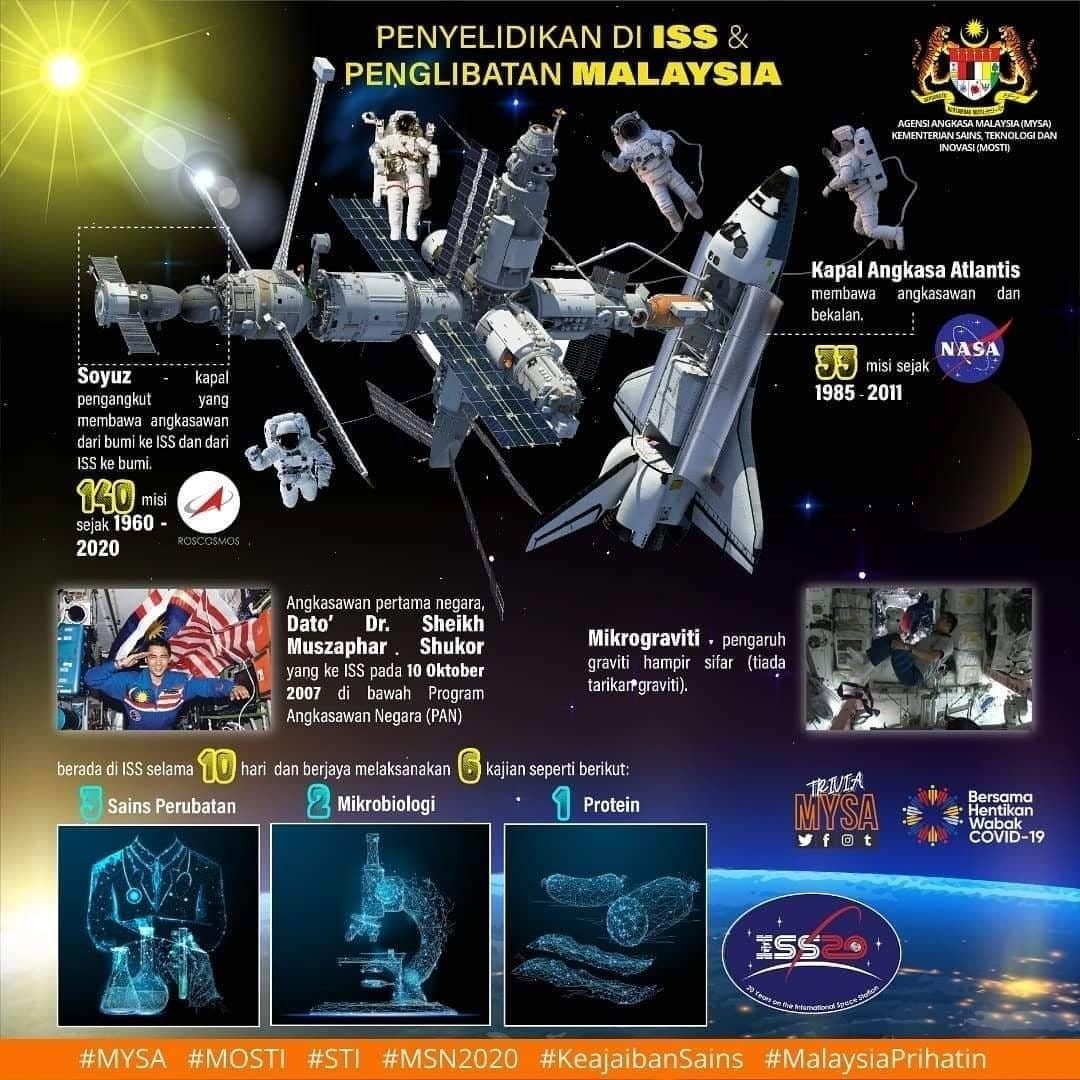
(Infographic showing Malaysia's overall mission to the ISS. Source: MOSTI)
The International Space Station (ISS) is not just a place where astronauts live , it’s also a floating laboratory! It allows scientists to test how life, materials, and technology behave in microgravity, something impossible to fully recreate on Earth. In this environment, objects lose their sense of weight, and astronauts can float freely, making it an ideal platform for unique scientific studies.
According to M. Fairos Asillam, Head of Space Science Research at ANGKASA (now MYSA), the Malaysian research proposals went through a series of meetings, screenings, and reviews before being selected. For many local scientists, PAN was their first chance to be involved in space research.
Over the course of his 10-day stay, Dr. Sheikh Muszaphar carried out six key experiments chosen to highlight Malaysia’s strengths in medical science, microbiology, and biotechnology.
Medical Science
These three studies explored how the human body and its cells respond to spaceflight:
- Endothelial and Inflammation Response: Studying short-term effects of spaceflight on endothelial cells and inflammation, which relate to heart disease risk.
- Osteoblast Function in Space: Investigating how bone-forming cells behave in microgravity, contributing to research on osteoporosis.
- Cells in Space (CIS): Observing eukaryotic cells at structural and molecular levels under microgravity and radiation.
Microbiology
Two experiments focused on bacteria and their surprising behavior in space:
- Enterobacter cloacae Study: Analyzing growth, gene expression, and antibiotic resistance in microgravity.
- Acinetobacter baumannii Study: Examining survival mechanisms and genetic changes under space conditions.
Biotechnology
- Protein Crystallisation in Space (PCS): Comparing the growth of industrially important enzyme crystals in space versus Earth. Crystals grown in microgravity are often more “perfect,” which can help improve biotechnology, drug design, and medical research.
Long-Term Impact of Malaysia’s Space Research
The Angkasawan Program (PAN) didn’t end when Dr. Sheikh Muszaphar came back from space. Its effects are still shaping Malaysia’s science and education today:
- Patents and Discoveries: By 2010, Malaysia had filed eight patents locally and abroad, covering new findings in microbiology and protein research.
- Practical Uses: The osteoblast cell line (1-RAP-NHost) and enzymes like Lipase T1 showed real potential in medicine, drug development, and industry.
- New Research Pathways: Before PAN, Malaysia had almost no microgravity research. Afterward, we gained ISS access, formed the National Microgravity Science Program, and started building lasting partnerships with space agencies.
- Training Scientists: PAN created new labs and research tools. With JAXA’s help on the ISS Kibo module, Malaysia trained a new wave of scientists by 2009, this included 8 PhD candidates, 7 master’s students, and 2 research assistants.
- Inspiring the Public: PAN also reached out to Malaysians through 217 programs (talks, seminars, and workshops) that engaged over five million people. The goal was not only science but also sparking curiosity, national pride, and love for exploration.
Beyond the Six Experiments
Apart from the six official research projects, Sheikh Muszaphar also carried out symbolic and educational activities. He demonstrated how a spinning top (gasing) behaves in space, making complex physics more relatable to students back home. Traditional Malaysian food such as rendang was also tested in orbit to see if cultural cuisine could one day be part of astronauts’ meals. Most notably, he became the first Muslim astronaut to perform prayers on the ISS, following special guidelines prepared by JAKIM.
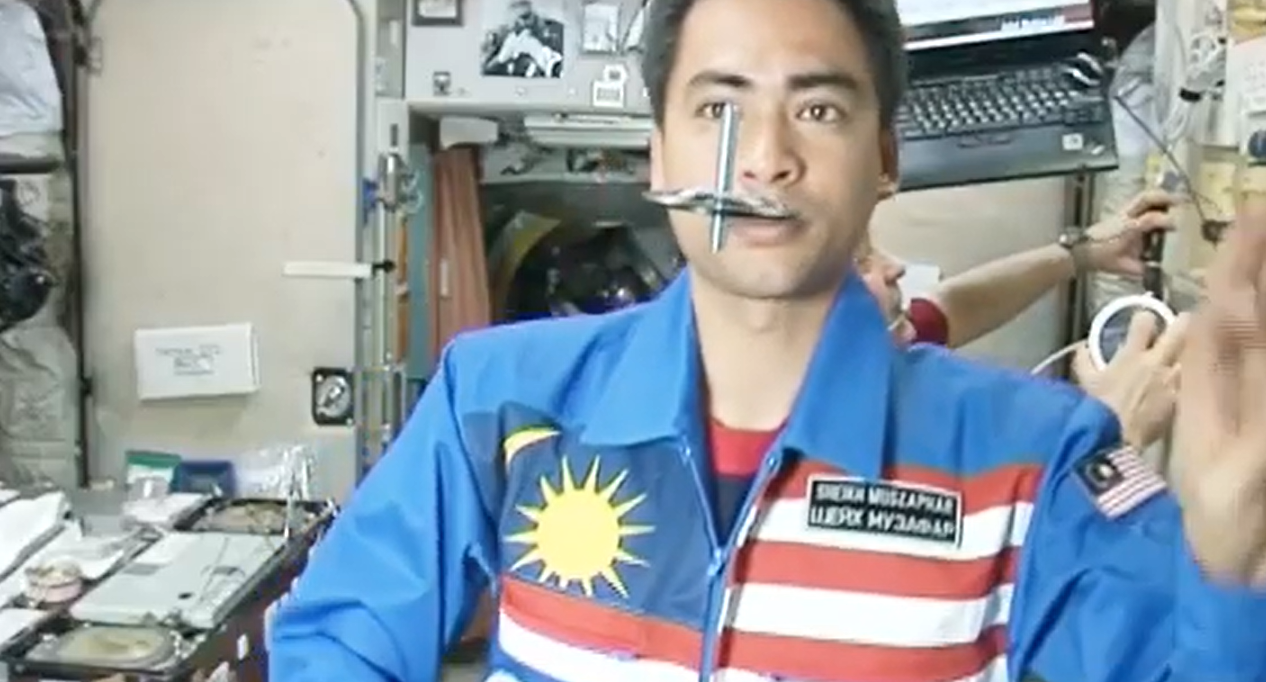
(Dr. Sheikh Muszaphar demonstrated the behavior of a gasing in microgravity. Source: Youtube, Sheikh Muszaphar)
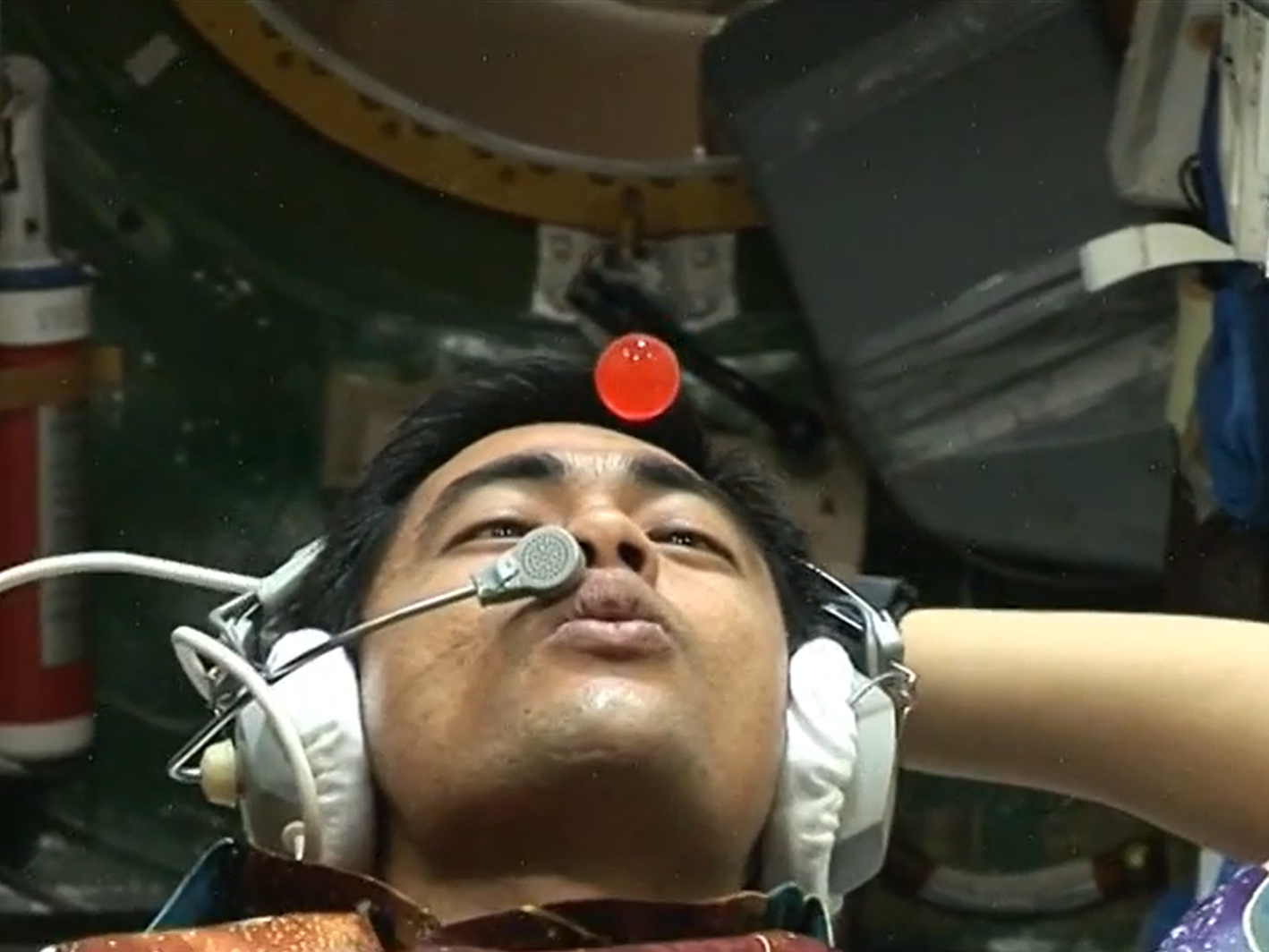
(Dr. Sheikh Muszaphar demonstrated the behavior of fluids in microgravity. Source: YouTube, Sheikh Muszaphar)
Protein Crystallisation: Malaysia’s Scientific Highlight
Of all the experiments, the protein crystallisation study became Malaysia’s most significant achievement.
- Led by: Prof. Dr. Raja Noor Zaliha (UPM)
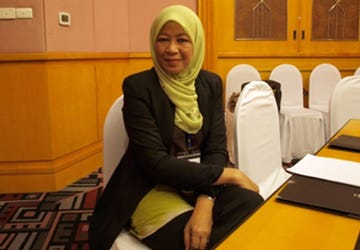
(Dr. Raja Noor Zaliha. Source: Japan Aerospace Exploration Agency)
- Scope: 24 protein samples were eventually sent to the ISS across six missions, continuing well beyond Dr. Sheikh’s flight.
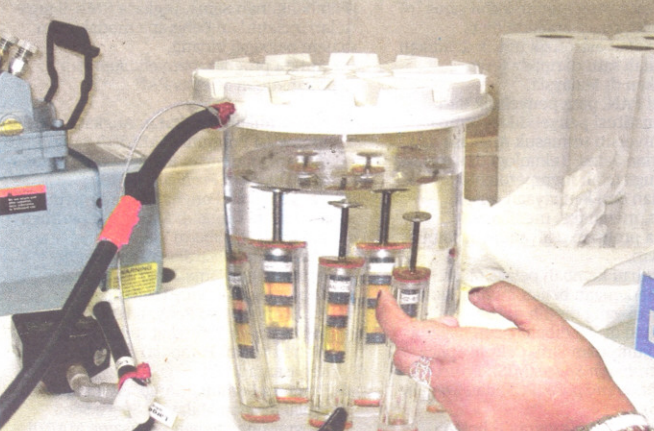
(Protein samples carried by Malaysia's astronaut to the ISS. Source: Universiti Putra Malaysia Institutional Repository)
-
Why it mattered: Gravity on Earth disrupts how proteins form crystals. In space, they can grow larger and more perfectly, producing clearer molecular structures.
-
Applications: Understanding these structures is vital for drug development, enzyme engineering, and biotechnology.
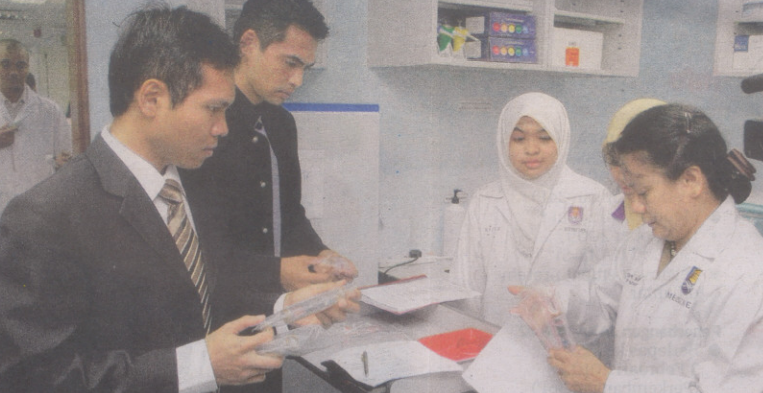
(Dr. Hapizah Mohd. Nawi (right) explaining the procedure of transporting research test tube samples from UiTM's Faculty of Medicine to Malaysia's astronauts Dr. Faiz Khaleed (left) and Dr. Sheikh Muszaphar Shukor in Shah Alam. Source: Universiti Putra Malaysia Institutional Repository)
[Warning: You’re Entering Nerd Territory]
Even more meaningful was the origin of these proteins. Back in 2002, during the Eighth Malaysia Plan (RMK-8), researchers isolated microorganisms from palm oil mill waste. From this, they discovered Lipase T1, a heat-resistant enzyme with major industrial potential. Taking this enzyme into space was a way to unlock even greater scientific value.
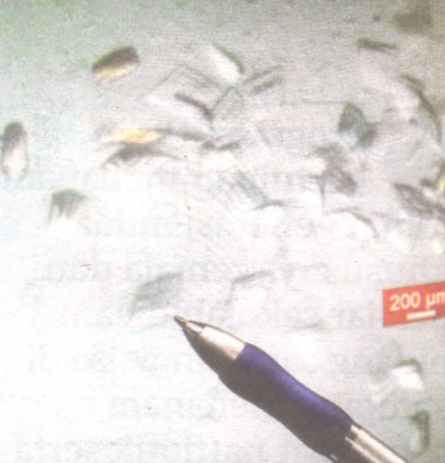
(Protein crystals formed through Malaysia's microgravity research program. Source: Universiti Putra Malaysia Institutional Repository)
Research in microgravity confirmed that protein crystallisation in space produced larger, purer, and less defective crystals compared to Earth, allowing scientists to analyze protein structures with greater accuracy. This opened new opportunities for drug design and industrial enzyme applications.
The success did not stop there. The Lipase T1 enzyme from a newly discovered bacterium, Geobacillus zalihae strain T1, proved highly stable at high temperatures (above 60°C) and alkaline conditions (pH 8–11), making it especially suitable for use in detergents and other industrial processes. Studies on this enzyme were later patented in Malaysia, the United States, Europe, and Japan, while Malaysia also secured international recognition through its inclusion in NASA and JAXA microgravity research databases.
Malaysia’s work extended beyond protein crystallisation itself. PAN research led to the development of 1-RAP-NHost (Re-adapted Normal Human Osteoblast), a trademarked osteoblast cell line with pharmaceutical potential. By 2010, eight patents had been filed both locally and internationally as direct outcomes of PAN.
Collaboration with JAXA further strengthened Malaysia’s expertise. Initially using the High Density Protein Crystal Growth (HDPCG) equipment, Malaysian scientists later gained access to the JAXA Crystallization Box (JCB) on the Kibo module of the ISS. This enabled not only improved crystallisation experiments but also the training of a new generation of Malaysian researchers: by 2009, eight PhD candidates, seven master’s students, and two research assistants were directly involved in follow-up projects, with the first PhD graduate from the PCG#1 mission completing his studies soon after.
The protein crystallisation research thus became the flagship of Malaysia’s microgravity science, blending local resources (palm oil mill waste), space-based experiments, and global collaboration into a scientific achievement with both national pride and real industrial potential.
From PAN to Post-PAN: Building a Space Research Ecosystem
Although Dr. Sheikh’s mission lasted just ten days, the program’s legacy extended far beyond. PAN became the first step for Malaysia’s microgravity research community, and follow-up workshops in 2008 and 2009 confirmed that the studies had met their objectives.
The program unfolded in two phases:
- Phase 1 (2006–2007): The astronaut mission and the space experiments.
- Phase 2 (Post-PAN): Continued research, training, and capacity building.
Under the Ninth and Tenth Malaysia Plans (RMK-9 and RMK-10):
- 17 R&D projects were carried out, producing 24 research papers including 15 journal articles.
- New labs were established, including a cell culture lab and a C. elegans microgravity lab at UKM.
- UPM acquired state-of-the-art crystallisation analysis equipment.
- A new generation of Malaysian scientists gained experience in managing, designing, and conducting space research.
Research Projects under RMK-9
Many of these achievements were driven by a structured program of research projects launched under RMK-9. These covered a wide range of scientific fields, from structural biology and microbiology to space medicine and biotechnology, each designed to deepen Malaysia’s role in space science:
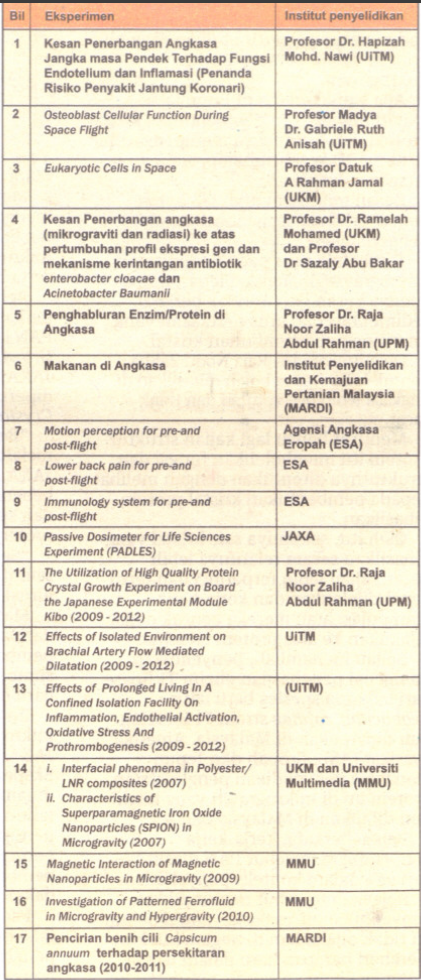
(List of Research Projects under the Space Science Development Program, 9th Malaysia Plan (RMK-9). Source: Universiti Putra Malaysia Institutional Repository)
Malaysia also gained international recognition, with collaborations from NASA, ESA, and JAXA. Notably:
- JAXA continued supporting crystallisation experiments on the Kibo module of the ISS.
- The Malaysian Space Seeds program (with JAXA and MARDI) tested agriculture in space.
- The MARSSOO program with Russia’s Institute of Biomedical Problems (IBMP) pushed into space medicine.
- National-level initiatives like the Microgravity Innovation Research program (via parabolic flights) further broadened Malaysia’s expertise.
A Lasting Impact
The Program Angkasawan Negara is often remembered for the iconic image of Malaysia’s first astronaut floating in space. But behind that image was a deeper story ; the chance for Malaysian science to be tested at the very edge of human exploration.
From palm oil waste on Earth to protein crystals in orbit, Malaysia proved that even a young spacefaring nation can contribute meaningfully. PAN showed that space is not just the domain of a few powerful countries, it’s a field where Malaysia, too, can inspire, innovate, and collaborate on the global stage.